

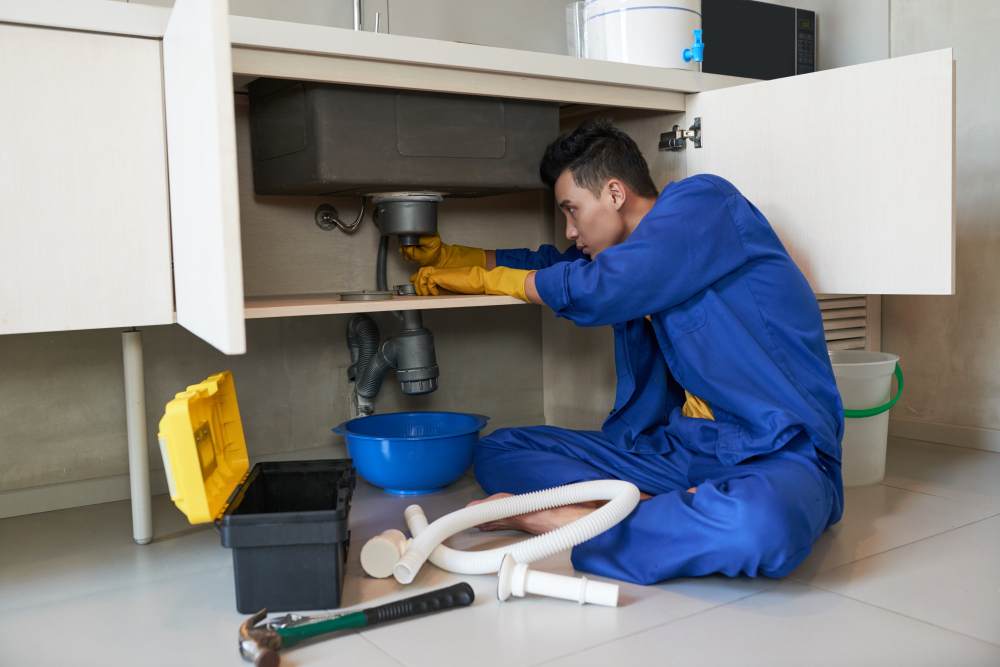
Old homes in New Iberia carry a lot of charm. Tall ceilings, original brickwork, and decades-old plumbing all tell a story. But that same aging plumbing is often a ticking clock. When a pipe finally gives way inside a multi-story property, the water does not wait for you to figure out a plan. It moves fast, and it moves down.
That is exactly why burst pipe water remediation New Iberia property owners rely on needs to start within minutes, not hours. This guide walks through a clear emergency protocol built specifically for older, multi-level homes, where hidden plumbing runs, plaster walls, and gravity all work against you.
Why Older Multi-Story Homes Are More Vulnerable
Multi-story properties built decades ago were not designed with modern plumbing materials in mind. Many still have galvanized steel or early copper pipes that corrode from the inside out. Once a pipe fails, water does not simply pool in one room. It drops through floor joists, soaks insulation, and travels along wall cavities until it finds the next weak point.
In addition, older homes often have plaster walls and wood subfloors, both of which absorb water quickly and hold onto moisture far longer than modern drywall. This means the damage you see on day one is rarely the full picture. For example, a leak on the second floor can silently ruin a first-floor ceiling before anyone notices a stain.
Step 1: Shut Off the Water Immediately
The first move in any burst pipe emergency is locating and shutting the main water valve. This single action can be the difference between a manageable cleanup and a full structural repair. If you are unsure where your shutoff valve is, it is worth finding it today, before an emergency forces you to search for it in a panic. In multi-story homes, it also helps to know whether each floor has its own secondary shutoff. Many older properties in New Iberia were retrofitted over the years, so plumbing layouts are not always predictable.
Step 2: Cut Power to Affected Areas
Water and electricity are a dangerous combination. Before you step into any flooded or damp area, switch off power at the breaker for that zone. This is especially important in older homes, where wiring may not meet current safety codes. Never assume a room is safe just because the lights are off.
Step 3: Document the Damage Right Away
Once the immediate danger is under control, take photos and short videos of every affected area. Insurance companies expect clear documentation, and having it early speeds up your claim significantly. Capture ceilings, walls, flooring, and any visible pipe damage from multiple angles.
Step 4: Begin Emergency Plumbing Cleanup
Standing water needs to be removed as quickly as possible. This is where emergency plumbing cleanup becomes urgent rather than optional. Every hour that water sits, mold spores have a better chance to establish themselves, and wood framing softens further. Professional crews use industrial pumps and extraction equipment to pull out standing water fast. However, visible water is only part of the problem in older multi-story homes.
The Hidden Threat: Wall Cavity Water Extraction
This is the step homeowners most often underestimate. When a pipe bursts inside a wall, water does not stay on the surface. It seeps into the cavity behind plaster or drywall, where it can sit undetected for weeks.
Wall cavity water extraction requires specialized tools, including moisture meters and, in many cases, small access points cut into the wall to reach trapped water directly. Skipping this step is one of the biggest mistakes homeowners make after a burst pipe. A wall may look dry on the outside while the cavity behind it stays damp, feeding mold growth and weakening the framing over time.
For older New Iberia properties specifically, this matters even more. Original lath-and-plaster construction holds moisture differently than modern materials, so a surface-level dry-out is rarely enough on its own.
Step 5: Pipe Burst Mitigation for Multi-Story Layouts
Effective pipe burst mitigation New Iberia homeowners need to account for how water travels between floors. A leak on an upper level can affect ceilings, light fixtures, and support beams on the floor below it.
Mitigation at this stage typically includes:
- Identifying every point water may have traveled through, not just the original break
- Removing damaged insulation before it becomes a mold source
- Setting up commercial-grade air movers and dehumidifiers across multiple rooms
- Monitoring moisture levels daily until readings return to normal
This process usually takes several days rather than hours. Rushing it, or stopping equipment too early, is a common reason mold problems resurface weeks later.
Step 6: Full New Iberia Water Damage Restoration
Once the property is fully dried out, the restoration phase begins. New Iberia water damage restoration covers everything from replacing damaged drywall and flooring to repainting and restoring trim work that matches the home’s original character.
For older properties, this stage often requires more care than a typical remodel. Matching original molding, plaster textures, or flooring patterns takes experience, especially in homes with historic detailing. A rushed restoration can leave mismatched repairs that stand out for years.
This is also the point where many homeowners choose to work with a company that manages both remediation and rebuilding under one roof, so there is no gap in communication between the drying crew and the repair crew.
Why Fast Response Time Matters So Much
Mold can begin developing within 24 to 48 hours in a warm, humid environment, and New Iberia’s climate makes that timeline even tighter. Waiting even a day or two before starting professional remediation increases both health risks and repair costs.
In addition, insurance policies often require proof that reasonable steps were taken to prevent further damage. A fast, documented response supports your claim and protects you from disputes later.
Common Mistakes to Avoid After a Burst Pipe
Many homeowners try to handle cleanup themselves before calling professionals. While mopping up visible water is fine, several mistakes can make things worse:
- Using fans alone without dehumidifiers, which can spread moisture into the air rather than removing it
- Ignoring musty odors, which often signal hidden moisture behind walls
- Painting over water stains before the area is fully dry
- Assuming a “dry” surface means the wall, cavity is dry too
Each of these mistakes can delay real recovery and increase long-term costs.
Building a Simple Emergency Plan Today
You do not need to wait for a pipe to burst to prepare. A short emergency plan can save real time and money later. Start by locating your main and secondary shutoff valves. Next, keep a list of trusted local remediation contacts somewhere easy to find. Finally, walk through your home once a year to check older pipes, especially in basements, attics, and behind appliances.
Homeowners working with Aivast Construction often build this kind of proactive plan as part of a broader home maintenance strategy, which makes emergency response far smoother when an issue does happen.
Final Thoughts
A burst pipe in an older multi-story home is stressful, but it does not have to become a disaster. Acting quickly, shutting off water and power, documenting damage, and calling in professionals for proper extraction and drying can protect both your health and your property’s structure.
If you are searching for dependable burst pipe water remediation New Iberia services, the key is choosing a team that understands older construction, hidden wall cavities, and multi-story water flow patterns. That knowledge is what separates a quick fix from a lasting repair.
Frequently Asked Questions
1. How quickly should I respond to a burst pipe in an older home?
Within the first hour, if possible. Shut off the main water valve immediately, then cut power to the affected area before starting cleanup. In older multi-story homes, water travels fast through original plumbing chases and wall cavities, so every extra hour increases the risk of mold and structural damage.
2. How do I know if water has gotten into my wall cavities?
Look for soft or bubbling drywall, a musty smell, or discoloration near baseboards and outlets. In many cases, the surface looks dry while moisture is still trapped inside. Professional wall cavity water extraction uses moisture meters to check what you can’t see or smell.
3. Will my homeowner’s insurance cover burst pipe water remediation?
Most policies cover sudden, accidental pipe bursts, but coverage often depends on how quickly you responded and whether you documented the damage. Photos, videos, and a clear timeline of your emergency steps make a claim much stronger.
4. How long does the drying-out process take after a pipe bursts?
Typically 3 to 5 days with commercial air movers and dehumidifiers running continuously, though older homes with plaster walls or dense wood framing can take longer. Stopping equipment too early is one of the most common reasons mold returns weeks later.
5. Can I stay in my home during water damage restoration?
It depends on the extent of the damage. If only one room or floor is affected and power/water are safe elsewhere, many homeowners stay. But if multiple floors are impacted or mold risk is high, a temporary relocation during the drying and repair phase is usually recommended.