
Mold can begin growing within just a few days after a water leak or excessive moisture enters a property. While small patches may seem harmless, hidden mold can spread behind walls, ceilings, flooring, and insulation before it becomes visible. Left untreated, it can damage building materials, create unpleasant odors, and reduce indoor air quality.
Mold remediation is the process of identifying, containing, removing, and preventing mold growth to restore a safe indoor environment. Unlike basic cleaning, remediation focuses on treating the source of the problem rather than simply removing visible mold. Whether your property has experienced flooding, plumbing leaks, or high humidity, understanding the remediation process can help you make informed decisions and protect your investment.
What Is Mold Remediation?
Mold remediation is a professional process used to remove active mold growth, eliminate excess moisture, and restore affected areas safely. The goal is not only to remove visible mold but also to prevent future growth by correcting the conditions that allowed mold to develop.
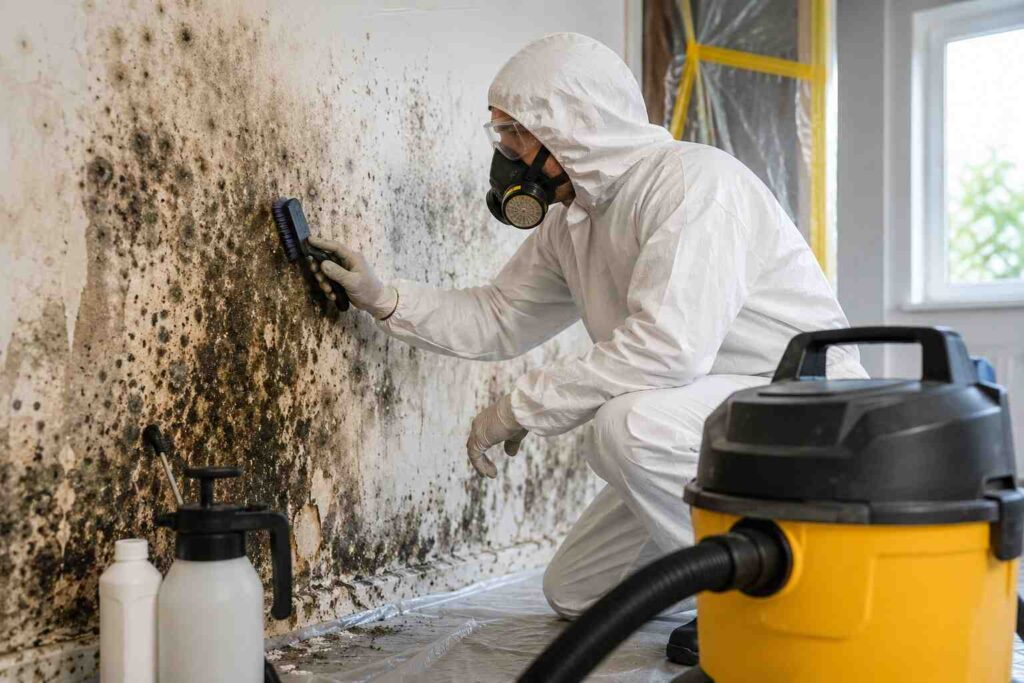
Every project begins with a detailed inspection to determine how far the mold has spread. Professionals then isolate contaminated areas, remove damaged materials, when necessary, clean affected surfaces, and dry the property completely before rebuilding damaged sections. Unlike ordinary cleaning, remediation addresses hidden mold that may exist behind walls, beneath flooring, or inside ceilings.
Why Mold Grows Inside Homes
Mold needs moisture, warmth, and organic materials to grow. Even a small plumbing leak or roof leak can create ideal conditions for mold if moisture remains trapped for several days. Bathrooms, kitchens, basements, crawl spaces, attics, laundry rooms, and areas affected by flooding are especially vulnerable. Poor ventilation and high humidity can also contribute to mold growth over time. By fixing moisture problems early, homeowners can significantly reduce the likelihood of widespread contamination.
Common Signs of Mold Growth
Mold is not always visible during the early stages. Many homeowners first notice a musty smell before seeing any signs of discoloration. Over time, black, green, white, or gray spots may appear on walls, ceilings, flooring, or around windows.
Other warning signs include peeling paint, warped drywall, bubbling wallpaper, recurring condensation, and water stains that never seem to dry completely. If these symptoms appear after a plumbing leak or flooding, professional inspection is recommended before the problem spreads further.
The Mold Remediation Process
A successful remediation project follows a carefully planned process that removes contamination while protecting unaffected areas of the property. The first step is a detailed inspection. Moisture meters, thermal imaging cameras, and visual assessments help determine where mold is growing and identify the source of moisture. Understanding the extent of contamination allows technicians to develop an effective restoration plan.
Next, containment barriers are installed to prevent mold spores from spreading to clean areas of the home. Plastic sheeting, negative air machines, and specialized filtration systems help isolate contaminated spaces throughout the cleanup process. After containment, damaged materials that cannot be safely restored are removed. Depending on the severity of the damage, this may include drywall, insulation, carpeting, ceiling tiles, or flooring.
Once contaminated materials have been removed, technicians clean remaining surfaces using specialized equipment and approved antimicrobial treatments. High-efficiency air filtration systems capture airborne spores while affected areas are thoroughly cleaned. The final stage involves drying the property completely and repairing or replacing damaged building materials. Addressing the moisture source is essential because mold is likely to return if excess moisture remains.
Mold Removal vs. Mold Remediation
Many people believe mold removal and remediation are the same service, but there is an important difference. A mold removal service focuses primarily on cleaning or removing visible mold. While this may improve appearance temporarily, it does not always eliminate hidden mold or address the moisture problem responsible for the growth.
Mold remediation, however, provides a complete solution. It identifies the source of moisture, contains contaminated areas, removes damaged materials when necessary, cleans affected surfaces, and helps prevent mold from returning. This comprehensive approach provides longer-lasting protection for both the property and its occupants.
Why Professional Help Matters
Large mold problems should never be treated as ordinary cleaning projects. Disturbing mold without proper containment may release spores into the air, allowing contamination to spread throughout the building. Professional mold remediation specialists use protective equipment, commercial-grade air filtration systems, moisture detection technology, and proven cleaning methods that safely eliminate contamination while protecting unaffected areas. Their experience also helps identify hidden moisture problems that could otherwise lead to recurring mold growth after cleanup is complete.
Health and Property Risks of Mold
Mold is more than just an unpleasant stain on a wall. Over time, it can weaken drywall, wood framing, insulation, and other building materials, leading to costly repairs if left untreated. Persistent moisture may also create conditions that encourage mold to spread into hidden areas of the property.
In addition to structural damage, mold can affect indoor air quality. Some people may experience allergy-like symptoms such as sneezing, coughing, eye irritation, or nasal congestion when exposed to mold spores. Because mold affects every property differently, addressing the problem early helps reduce both health concerns and repair expenses.
Preventing Future Mold Growth
Preventing mold begins with controlling moisture inside your home or business. Repairing plumbing leaks, fixing damaged roofing, and improving ventilation are some of the most effective ways to reduce the risk of future mold growth. Keeping indoor humidity at recommended levels also helps create a less favorable environment for mold.
Areas such as bathrooms, kitchens, laundry rooms, and basements should be inspected regularly for signs of moisture. After any flooding or water damage, drying affected materials as quickly as possible is one of the most important preventive measures. Routine inspections and prompt maintenance can significantly reduce the chances of mold returning after remediation.
Choosing the Right Mold Remediation Company
Selecting an experienced restoration company is essential for a successful recovery. A qualified contractor should perform a detailed inspection, identify the source of moisture, use proper containment methods, and provide complete cleanup and restoration services.
When comparing companies, look for technicians with experience handling residential and commercial mold damage. A company that offers both inspection and professional mold remediation can simplify the entire recovery process while ensuring every stage is completed correctly. At Aivast Construction, every remediation project is completed with a focus on safety, quality workmanship, and long-term solutions that help protect your property.
What You Can Do Before Professionals Arrive
If you discover mold inside your property, avoid disturbing the affected area because this may spread spores into other parts of the building. Opening walls or attempting to scrub large mold patches without proper equipment can make the situation worse.
If it is safe to do so, identify and stop the source of moisture. Improve ventilation by using exhaust fans where appropriate, but avoid directing airflow toward contaminated areas. Limiting access to the affected space until professionals arrive can also help reduce the spread of spores.
Why Early Action Makes a Difference
The longer mold remains untreated, the greater the risk of structural damage and expensive repairs. Addressing moisture problems quickly and scheduling remediation at the first signs of mold helps protect both your property and indoor air quality.
Whether mold develops after flooding, a leaking pipe, or ongoing humidity issues, acting early allows professionals to remove contamination before it spreads further. Investing in timely remediation today can prevent much larger restoration projects in the future.
Conclusion
Mold can spread quickly when excess moisture is left untreated, making early action essential. Understanding the remediation process helps property owners address mold safely while reducing the risk of future growth. Choosing experienced professionals ensures the problem is treated at its source, helping restore a clean, healthy, and safe indoor environment.
Frequently Asked Questions
1. What is mold remediation?
Mold remediation is the process of identifying, containing, removing, and preventing mold growth while addressing the moisture source that caused it.
2. When should I hire a mold removal service?
You should consider a mold removal service if you notice visible mold, persistent musty odors, or signs of water damage that may have allowed mold to develop.
3. How long does mold remediation take?
The timeline depends on the size of the affected area and the extent of the damage. Smaller projects may take a few days, while larger restoration jobs can require more time.
4. Can mold return after remediation?
Yes, mold can return if the underlying moisture problem is not corrected. Proper drying, repairs, and humidity control help prevent future growth.
5. Is professional mold remediation necessary?
For large or hidden mold problems, professional mold remediation is strongly recommended because trained specialists use proper containment, specialized equipment, and proven techniques to remove mold safely and reduce the risk of it returning.