
Water damage can happen without warning. A burst pipe, severe storm, overflowing appliance, or hidden plumbing leak can quickly become a major problem for any property owner. When water enters your home or business, acting quickly is the best way to reduce damage and avoid costly repairs. Many people assume remediation and restoration are the same service, but they actually represent different stages of the recovery process.
Water damage restoration is the complete process of returning a property to its pre-loss condition after water damage occurs. While remediation focuses on stopping the damage and removing excess water, restoration involves repairing and rebuilding affected areas. Understanding the difference helps property owners make informed decisions and ensures every step of the recovery process is completed correctly.
Whether you’re searching for water damage restoration near you, this guide explains every stage of the recovery process and why a full-service approach delivers the best results.
What Is Water Damage Restoration?
Water damage restoration is the complete process of restoring a property after water intrusion. It involves removing excess water, drying affected materials, repairing structural damage, and rebuilding areas that can no longer be repaired. The goal is to return the property to a safe, clean, and functional condition while preventing long-term issues caused by trapped moisture.
Every restoration project is unique because the amount of damage depends on the source of the water, how long it remained inside the building, and the materials affected. A prompt response helps reduce repair costs and minimizes the chance of mold growth or structural deterioration.
What Is Water Remediation?
Water remediation is the emergency response phase that begins immediately after water enters a property. Its primary goal is to stop further damage by removing standing water and reducing moisture levels before permanent repairs begin.
During remediation, professionals extract water, dry wet materials, remove damaged items that cannot be saved, and sanitize affected areas when necessary. Specialized equipment is also used to monitor hidden moisture inside walls, ceilings, and flooring. Once the building is dry and stable, restoration work can begin.
Understanding the Difference Between Restoration and Remediation
Although these services work together, they have different purposes. Water remediation focuses on limiting additional damage by removing water and drying the structure. It prepares the property for repairs and reduces the risk of mold growth.
Restoration begins after remediation is complete. This stage involves repairing drywall, replacing flooring, restoring ceilings, repairing cabinetry, repainting damaged surfaces, and rebuilding any structural elements that were affected. Together, these services provide a complete recovery that helps return the property to its original condition.
Why Immediate Action Matters
Water damage continues to spread long after the initial leak or flood. Within just a few hours, water begins soaking into drywall, flooring, furniture, insulation, and wooden framing. As moisture spreads, materials become weaker and more difficult to restore.
After one or two days, damp conditions create an ideal environment for mold growth. If moisture remains trapped inside walls or beneath flooring, mold can spread without being immediately visible. After several days, structural materials may weaken, odors become stronger, and repairs often become much more expensive.
This is why many homeowners search for water damage restoration near you as soon as they discover signs of water damage. A quick response reduces repair costs and helps protect the property’s structural integrity.
Common Causes of Water Damage
Water damage can occur for many different reasons. Burst pipes are among the most common causes, especially in older plumbing systems or during freezing weather. Roof leaks caused by storms or worn roofing materials can allow rainwater to enter ceilings and attic spaces, leading to hidden moisture problems.
Household appliances such as washing machines, refrigerators, dishwashers, and water heaters can also develop leaks over time. Plumbing failures behind walls or beneath flooring often remain unnoticed until visible damage appears. Heavy rainfall and poor drainage frequently cause basement flooding, while sewer backups introduce contaminated water that requires specialized cleaning before repairs can begin. Regardless of the cause, responding quickly helps reduce the amount of damage and shortens the overall recovery process.
The Water Damage Restoration Process
Every successful restoration project follows a structured process to ensure hidden moisture is removed before repairs begin. The first step is a detailed inspection. Professionals use moisture meters, thermal imaging cameras, and visual assessments to locate affected areas and determine the extent of the damage. This information helps create an effective restoration plan.
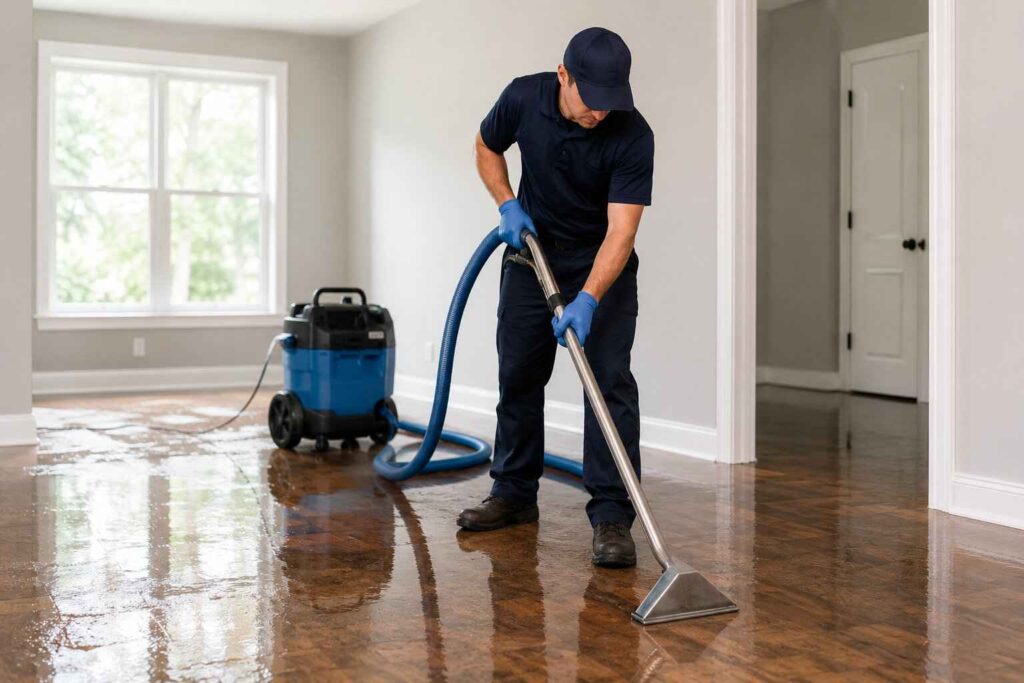
Next, standing water is removed using commercial-grade extraction equipment. Fast water removal limits structural damage and prepares the building for drying. Industrial air movers and dehumidifiers are then used to remove moisture trapped inside walls, flooring, insulation, and wooden framing. Moisture readings are monitored throughout the drying process to confirm the property has reached safe moisture levels.
Once drying is complete, affected surfaces are cleaned and sanitized to remove bacteria, odors, and contaminants. Depending on the source of the water, additional cleaning methods may be required to improve indoor air quality. Finally, damaged materials are repaired or replaced. This may include drywall, flooring, ceilings, trim, insulation, cabinetry, and interior paint. Once these repairs are finished, the property is ready for normal use again.
Why Professional Restoration Matters
Handling water damage without professional equipment may seem like a cost-saving option, but hidden moisture can remain inside walls, floors, and ceilings long after visible water has been removed. This trapped moisture often leads to mold growth, unpleasant odors, and structural damage that becomes expensive to repair later.
Professional restoration specialists use advanced moisture detection tools, industrial drying equipment, and proven restoration techniques to ensure every affected area is properly treated. They can also identify hidden damage that may not be visible during a basic inspection. This thorough approach helps protect your property and reduces the likelihood of future problems.
Common Signs Your Property Has Water Damage
Water damage is not always easy to recognize. In some cases, the warning signs develop gradually over several days or weeks. Stains on walls or ceilings, peeling paint, warped flooring, musty odors, soft drywall, and sagging ceilings often indicate that moisture is trapped inside the structure.
Visible mold is another common sign that water damage has gone untreated for too long. Even if the affected area appears small, moisture may have spread behind walls or beneath flooring. Addressing these issues quickly helps prevent additional damage and keeps repair costs under control.
Preventing Mold After Water Damage
Mold is one of the biggest concerns after any water-related incident because it can begin growing within 24 to 48 hours when moisture remains inside a building. The best way to reduce this risk is by removing standing water immediately, thoroughly drying all affected materials, and monitoring moisture levels throughout the property. Proper ventilation and professional sanitization also help create a healthier indoor environment. By eliminating hidden moisture early, property owners can significantly reduce the chance of future mold problems.
Choosing the Right Restoration Company
Choosing an experienced restoration company is one of the most important decisions you’ll make after water damage. A reliable contractor should respond quickly, perform a thorough inspection, use commercial-grade drying equipment, and provide complete repair services from cleanup through reconstruction.
Many homeowners begin by searching for local restoration services because fast response times can greatly reduce the amount of damage. A company that manages both remediation and rebuilding also simplifies the entire recovery process by keeping every stage of the project under one team. At Aivast Construction, every project is handled with careful planning, quality workmanship, and attention to detail to help homeowners and businesses recover as quickly as possible.
How Long Does the Restoration Process Take?
The timeline for restoration depends on the severity of the damage and the areas affected. Minor water damage may only require a few days for drying and repairs, while more extensive damage can take several weeks if reconstruction is necessary.
Several factors influence the overall timeline, including the amount of water involved, the type of building materials affected, weather conditions, drying requirements, and insurance approvals. Starting the recovery process as soon as possible usually shortens the overall project and helps prevent additional complications.
Protecting Your Property Before Help Arrives
If it is safe to remain inside the building, there are several steps you can take before professionals arrive. Shut off the water supply if possible to prevent additional flooding, and disconnect electricity in affected areas if it can be done safely. Valuable belongings, furniture, and important documents should be moved to a dry location whenever possible.
Avoid walking on weakened floors or beneath sagging ceilings, as these areas may have suffered structural damage. Household vacuums should never be used to remove large amounts of standing water because they can create electrical hazards. Taking these precautions helps reduce further damage while waiting for professional assistance.
Restoring Your Property After Water Damage
Recovering from water damage involves much more than drying wet surfaces. A successful recovery requires careful inspection, proper drying, thorough cleaning, and quality repairs that restore both the appearance and safety of your property.
Whether the damage is caused by a plumbing leak, flooding, roof damage, or an appliance failure, addressing the problem quickly helps reduce repair costs and prevents long-term structural issues. Every stage of the recovery process plays an important role in protecting your investment and returning your property to normal. If you’re searching for water restoration near you, choose a company that provides complete remediation and reconstruction services, so every part of the recovery process is handled professionally from start to finish.
Conclusion
Water damage can spread quickly, making fast action essential to protect your property and reduce repair costs. By understanding the difference between remediation and restoration, you can make informed decisions and ensure your home or business receives the right care. Choosing a professional restoration team can help restore your property safely, efficiently, and with lasting results.
Frequently Asked Questions
1. What is the difference between water remediation and restoration?
Water remediation focuses on removing water, drying affected areas, and preventing additional damage. Restoration follows afterward and includes repairing or rebuilding damaged areas to return the property to its original condition.
2. How quickly should water damage be addressed?
Water damage should be addressed immediately. Fast action helps minimize structural damage, lowers repair costs, and reduces the risk of mold growth.
3. Can water damage cause mold?
Yes. Mold can begin developing within 24 to 48 hours when moisture remains trapped inside walls, flooring, insulation, or other building materials.
4. Does homeowners insurance cover water damage?
Coverage depends on your insurance policy and the cause of the damage. Many policies cover sudden and accidental water damage but may not cover damage caused by long-term neglect or lack of maintenance.
5. How do I choose a reliable restoration company?
Look for a company with emergency response services, professional drying equipment, experienced technicians, moisture detection technology, and complete repair capabilities. Choosing a team that handles the entire recovery process helps ensure consistent quality from start to finish.