

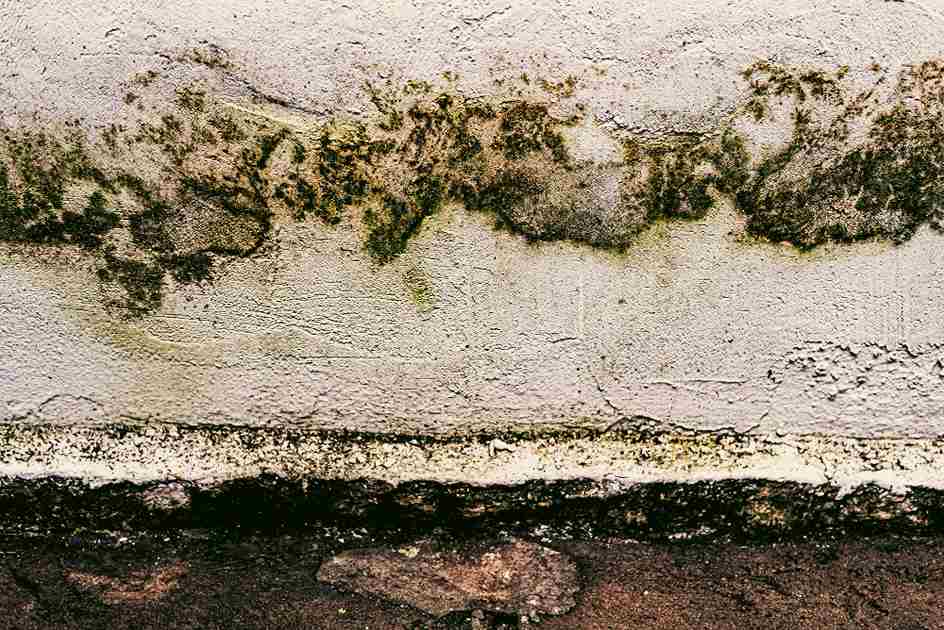
A leaking roof can quickly turn into a serious indoor water problem. What starts as a small roof opening may lead to stained ceilings, wet insulation, damaged drywall, peeling paint, and even hidden moisture inside walls. For homeowners searching for Roof leak water damage ceiling repair Lafayette, understanding what to do after a leak can help prevent a small issue from becoming a major restoration project.
Roof-related water damage should not be ignored, even if the ceiling appears to dry on its own. Moisture can remain behind drywall, under insulation, or inside ceiling materials. Over time, this trapped water may cause odors, material deterioration, and microbial growth.
In Lafayette, heavy rain and severe weather can place added stress on roofing systems. Missing shingles, damaged flashing, clogged gutters, and aging roofing materials can all allow water to enter the home. Once that happens, fast action is important.
How Roof Leaks Cause Ceiling Water Damage
Water does not always travel straight down from the point where a roof is leaking. It can move along roof decking, insulation, framing, and other building materials before reaching the ceiling. This is why the visible damage may appear several feet away from the actual source of the leak.
A small ceiling spot may be the first visible sign of a much larger moisture problem. As water continues to enter, the affected area can become discolored, soft, swollen, or cracked. Paint may bubble or peel, while drywall can lose its strength. The longer moisture remains inside these materials, the greater the chance that repairs will become more extensive.
Common Signs of Roof-Related Water Damage
Homeowners should watch for several warning signs, including:
- Brown or yellow ceiling discoloration
- Bubbling or peeling paint
- Soft or sagging drywall
- Damp insulation
- Musty odors
- Cracks around ceiling fixtures
- Water dripping during or after rain
- New stains that continue to expand
Some signs are easy to notice, while others can remain hidden. A ceiling may look nearly normal while moisture is still trapped above it.
Roof Leak Water Damage Ceiling Repair Lafayette: Why Fast Action Matters
Prompt restoration can limit the amount of damage caused by a roof leak. When water remains inside a building, porous materials can absorb it quickly. Drywall, insulation, wood, and other materials may require professional assessment to determine whether they can be dried and restored or need replacement.
The first priority is always to stop the source of the water. A restoration team can then assess the affected areas and determine how far the moisture has traveled. Fast response also helps homeowners understand the full scope of the problem. Treating only the visible ceiling stain may leave moisture behind, allowing damage to continue after the surface has been repaired.
Ceiling Water Stain Extraction and Surface Damage
A ceiling stain is more than a cosmetic problem. The discoloration often indicates that water has entered the building materials. Ceiling water stain extraction should therefore be approached as part of a larger moisture assessment rather than simply painting over the affected area.
Before repainting, the source of the water should be identified and corrected. The ceiling should also be checked for moisture and structural concerns. If the material is still wet, painting over it can trap moisture and cause the stain to return.
In some cases, damaged sections of drywall must be removed. In others, the material may be salvageable after proper drying. The correct approach depends on the severity and duration of the exposure.
Roof Leak Cleanup Lafayette: What the Restoration Process Involves
Professional cleanup after a roof leak usually involves several steps. The exact process depends on how much water entered the property and how long the affected materials remained wet.
1. Identify the Water Source
The roof problem should be located and addressed before interior restoration begins. Common causes include damaged roofing materials, failed flashing, blocked drainage systems, and storm-related damage. Stopping the source helps prevent additional water from entering the property.
2. Inspect the Affected Areas
The visible ceiling damage is only one part of the assessment. Walls, insulation, flooring, attic areas, and nearby rooms may also need to be checked. Moisture detection equipment can help identify areas that are not visibly wet.
3. Remove Standing Water and Moisture
If water has accumulated inside the property, it needs to be removed as quickly as possible. Restoration professionals may use extraction equipment and commercial drying systems based on the extent of the damage. Air movement and dehumidification can help reduce moisture levels in affected materials and indoor spaces.
4. Dry and Monitor Materials
Drying should not be based only on how a surface feels. Materials can appear dry while retaining moisture underneath. Professionals may monitor moisture levels throughout the drying process to determine when affected materials have reached appropriate conditions.
Drywall Water Remediation After a Roof Leak
Drywall is especially vulnerable to prolonged moisture exposure. It can absorb water, swell, soften, and lose its structural integrity. Drywall water remediation may involve drying salvageable areas or removing materials that are too damaged to restore.
Cutting out damaged drywall may be necessary when the material has become heavily saturated or compromised. The surrounding structure should also be checked because moisture can travel behind the visible surface. After damaged materials are addressed and the area is completely dry, the repair phase can begin. This may include replacing drywall, repairing joints, applying primer, and repainting the affected ceiling.
Why Painting Over a Water Stain Is Not Enough
One of the most common mistakes after a roof leak is covering a stain with fresh paint without investigating the cause. Fresh paint may temporarily hide discoloration, but it does not remove moisture or repair damaged building materials. If the roof continues to leak, the stain can quickly return.
Even when the roof has already been repaired, moisture may remain inside the ceiling. That hidden moisture can continue affecting drywall, insulation, and framing. A better approach is to determine the source, inspect the affected materials, dry the area, and then complete cosmetic repairs.
When Ceiling Damage Requires Professional Restoration
Not every small water spot requires a large restoration project. However, professional help is especially useful when the damage involves extensive moisture, sagging drywall, recurring leaks, multiple rooms, or water that has entered hidden areas. Professional restoration can help identify damage that may not be obvious during a visual inspection.
Homeowners should also avoid disturbing heavily damaged ceiling materials without understanding what is above them. Electrical fixtures, insulation, framing, and other components may be affected by water. If the ceiling is sagging significantly or appears unstable, keep people away from the area until it can be assessed safely.
Preventing Future Roof Leak Damage
Once the interior damage has been restored, preventing another leak should become a priority. Regular roof inspections can help identify problems before they allow water into the home. Homeowners should look for damaged roofing materials, worn seals, deteriorated flashing, and drainage problems.
Keeping gutters and downspouts clear can also help direct rainwater away from the structure. After severe weather, a roof inspection can be useful even when there is no obvious interior damage. Inside the home, watch for new stains, unusual odors, peeling paint, or changes in ceiling texture. Early warning signs are easier and less expensive to address than widespread water damage.
Choosing a Lafayette Water Damage Restoration Company
When selecting a restoration provider, homeowners should look for a company that understands both the visible and hidden effects of water intrusion. A professional team should assess the source of the damage, inspect affected materials, remove excess moisture, and explain which materials can be restored, and which may require replacement.
Local experience can also be valuable because Lafayette properties may experience heavy rainfall, storms, humidity, and other conditions that contribute to water intrusion. Aivast Construction provides restoration support for homeowners dealing with water-related property damage and can help guide the process from initial assessment through necessary repairs.
What to Do After Discovering a Roof Leak
If you notice water entering through the ceiling, take action as soon as possible. First, move furniture and belongings away from the affected area if it is safe to do so. Place containers under active drips and avoid using electrical equipment near standing water.
If water is near electrical fixtures, switches, or outlets, avoid touching them and contact a qualified professional. Next, arrange for the roof leak to be addressed and have the interior inspected. Documenting visible damage with photographs can also be useful for your records and insurance process. Most importantly, do not assume that a ceiling is safe simply because dripping has stopped. Water can remain trapped inside building materials long after the visible leak ends.
Lafayette Water Damage Restoration: Restoring Your Home After a Leak
Roof leaks can create more than an unsightly ceiling stain. They can affect drywall, insulation, framing, paint, flooring, and other parts of the home. Acting quickly gives homeowners a better chance of limiting the spread of moisture and reducing unnecessary repair work. The restoration process should address the source of the leak, identify affected materials, remove excess moisture, dry the structure, and repair damaged surfaces.
Taking these steps in the right order helps prevent cosmetic repairs from masking an ongoing moisture problem. For homeowners dealing with water damage restoration Lafayette, professional assessment can provide a clearer picture of what needs to be repaired and whether hidden moisture is present.
Protect Your Lafayette Home From Roof Leak Damage
A leaking roof should never be treated as only a roofing problem. Once water enters the home, the ceiling and surrounding materials can be affected quickly. Early inspection, proper drying, and timely repairs can help protect your property and prevent a minor leak from becoming a larger restoration issue. If your Lafayette home has experienced ceiling damage after a roof leak, contact Aivast Construction today for an assessment and professional restoration assistance.
Final Thoughts
Roof leaks can cause more damage than what appears on the surface. Ceiling stains, soft drywall, damp insulation, and musty odors can all point to moisture that needs proper attention. Addressing the source of the leak, drying affected materials, and repairing damaged areas quickly can help protect your home from further problems. If your Lafayette property has ceiling damage after a roof leak, getting a professional assessment early can make the restoration process easier and help prevent additional damage.
Frequently Asked Questions
1. What should I do if my ceiling starts leaking after heavy rain?
Move furniture and belongings away from the affected area if it is safe. Place a container under active drips and avoid electrical fixtures near the water. Contact a professional to assess the leak and resulting interior damage.
2. Can a water-damaged ceiling be repaired without replacing the drywall?
Yes, in some cases. If the drywall has limited moisture exposure and remains structurally sound, it may be dried and repaired. Severely swollen, soft, or damaged drywall may need to be replaced.
3. How long does it take for a water-damaged ceiling to dry?
Drying time depends on the amount of water, materials involved, airflow, humidity, and how quickly restoration begins. Professional drying equipment can help speed up the process and monitor moisture levels.
4. Why does a ceiling water stain come back after painting?
A returning stain may indicate that the original leak was not fully corrected or that moisture remains within the ceiling materials. The source and moisture level should be checked before repainting.
5. When should I call a professional for roof leak damage?
Call a professional when you notice significant ceiling staining, sagging drywall, recurring leaks, widespread moisture, musty odors, or water affecting multiple areas of your home. Early assessment can help limit further damage.