
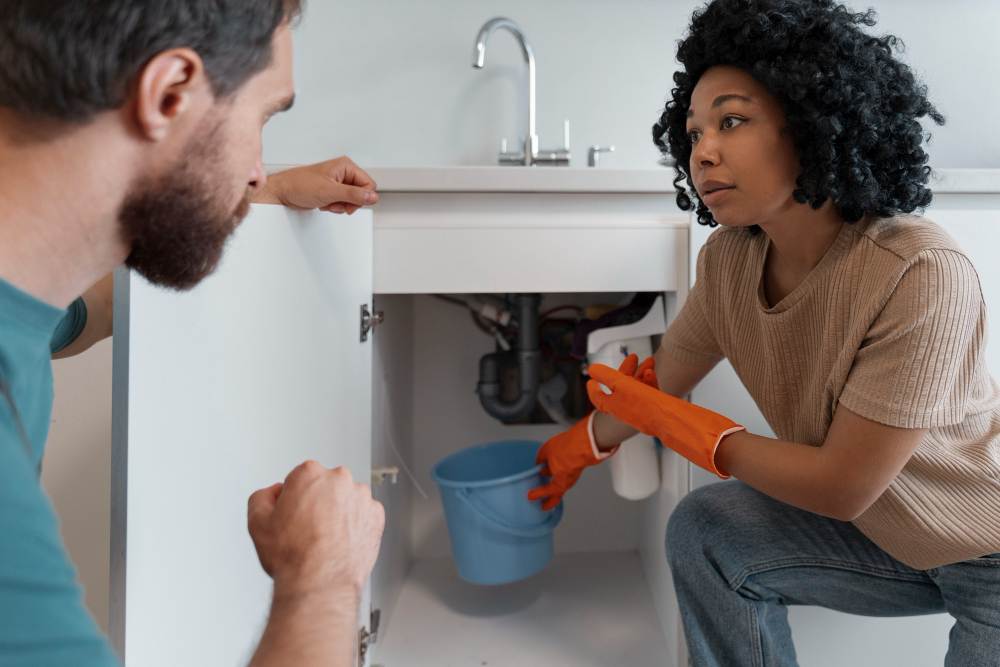
When a property experiences a major leak, flood, or plumbing failure, removing the water is the first priority. However, stopping the immediate damage does not always mean the property is fully restored. Wet drywall, damaged flooring, weakened framing, and hidden moisture can continue causing problems long after standing water disappears.
This is why homeowners and property owners often need General contractors in Lafayette to handle the reconstruction phase after water mitigation is complete. Water extraction addresses the immediate moisture problem, while reconstruction focuses on repairing the parts of the property that were damaged. Understanding the difference can help you make better decisions after a water emergency and prevent temporary repairs from becoming larger problems later.
Why Water Mitigation Is Only the First Step
Water mitigation is designed to reduce the spread and severity of water damage. This process may include removing standing water, drying affected areas, setting up air movers, controlling humidity, and identifying moisture in walls or flooring. These steps are important because moisture can quickly move into materials throughout a property. However, drying the structure does not automatically restore everything that was damaged.
For example, drywall may become stained or weakened after prolonged exposure to water. Flooring may warp, cabinets may swell, and insulation can lose its effectiveness. In more serious situations, structural materials may also require inspection and repair. That is where reconstruction becomes necessary. A complete recovery process should address both the moisture problem and the physical damage left behind.
What Does Water Damage Reconstruction Include?
Water damage reconstruction involves repairing or rebuilding areas affected by water. The exact work depends on the severity of the incident and the materials involved.
Common reconstruction tasks may include:
- Removing damaged drywall
- Replacing flooring
- Repairing or replacing cabinets
- Rebuilding damaged walls
- Repairing ceilings
- Replacing insulation
- Restoring trim and baseboards
- Repairing damaged framing
- Repainting affected areas
- Reinstalling fixtures and finishes
In some cases, only a small section of a room needs reconstruction. In other situations, extensive work may be required throughout the property. The goal is not simply to make the space look normal again. Proper reconstruction should restore the affected area so it is safe, functional, and ready for everyday use.
General Contractors in Lafayette Help Bridge the Gap
After water mitigation, property owners may find themselves dealing with several different repair needs at once. One area may need drywall replacement, another may require flooring work, and a damaged ceiling could need rebuilding. Managing multiple trades separately can make the process more difficult.
Working with experienced General contractors in Lafayette can provide a more coordinated approach. A general contractor can help organize the repair process and manage different aspects of reconstruction.
This can be especially useful when water damage affects several parts of a property. Instead of treating every repair as an isolated project, reconstruction can be approached as one complete restoration effort. This helps keep the work organized and ensures that repairs are completed in the right order.
Hidden Damage Can Remain After the Water Is Gone
One of the biggest misconceptions about water damage is that visible water represents the full extent of the problem. Moisture can travel behind walls, beneath flooring, and into other building materials. Even when a room appears dry, certain materials may still have damage that requires attention. For example, water that enters beneath flooring can affect the subfloor. A plumbing leak inside a wall can damage drywall and insulation before the problem becomes visible.
Long-term moisture exposure can also contribute to unpleasant odors and deterioration. Professional Lafayette water damage restoration addresses the drying and recovery process, but reconstruction may still be needed after damaged materials are identified. This is why property owners should not assume that the end of water extraction means the end of the project.
Why Damaged Materials Sometimes Need to Be Replaced
Not every wet material needs to be removed. Some materials can be dried and preserved when the damage is limited. However, certain materials may not return to their original condition after significant exposure to water. Drywall, for example, can become soft, stained, or damaged. Wood products may swell or warp. Flooring materials can separate or buckle. Insulation may also need replacement depending on the type of material and extent of exposure. Attempting to save severely damaged materials can create additional problems later. A proper reconstruction assessment helps determine which components can remain and which should be repaired or replaced.
The Connection Between Water Damage Restoration Lafayette and Reconstruction
The terms water damage restoration Lafayette and reconstruction are often used together, but they can refer to different stages of the recovery process. Water damage restoration typically involves returning the property to a dry and stable condition. This can include water removal, drying, cleaning, and damage assessment. Reconstruction comes afterward when physical components need to be repaired or rebuilt.
Think of the process as two connected phases. First, the source of water must be controlled and moisture must be removed. Next, damaged materials must be repaired or replaced. Skipping the second phase can leave a property looking unfinished or leave damaged components in place. A complete restoration plan should consider both stages.
Common Areas That May Need Reconstruction
Water can affect almost any area of a building. However, some parts of a property are especially vulnerable.
Flooring and Subfloors
Flooring can absorb water and become warped, buckled, or discolored. Even when the visible flooring appears acceptable, moisture may have reached the subfloor underneath. Depending on the damage, reconstruction may involve removing flooring, repairing the subfloor, and installing new materials.
Drywall and Ceilings
Water-damaged drywall may show stains, bubbling, soft spots, or other signs of deterioration. Ceilings can also be affected when water enters from an upper floor or roof. Damaged sections may need to be removed and replaced before finishing and painting.
Cabinets and Built-Ins
Kitchen and bathroom cabinets can suffer significant damage when exposed to water. Wood-based materials may swell and lose their original shape. In severe cases, replacing affected cabinets may be more practical than attempting repairs.
Framing and Structural Components
More serious water events can affect framing and other structural components. These areas should be assessed carefully before reconstruction begins. If structural repairs are necessary, they should be completed before cosmetic work such as painting or installing new flooring.
Why Reconstruction Should Not Be Delayed
Once the property is dry, it can be tempting to postpone repairs. However, leaving damaged materials in place can make the recovery process more difficult. Unfinished walls can expose insulation and other components. Damaged flooring can create trip hazards. Missing finishes can also leave the property vulnerable to additional wear.
Timely reconstruction helps move the property from temporary recovery to full restoration. It also gives property owners an opportunity to identify issues that may not have been obvious during the initial cleanup.
How General Contractors in Lafayette Can Simplify the Process
Water damage can be stressful because repairs often involve several steps. Property owners may have to coordinate inspections, material removal, repairs, finishing work, and other services. Experienced General contractors in Lafayette can help coordinate the reconstruction process from one stage to the next.
A contractor may help with:
- Assessing repair needs
- Planning the reconstruction process
- Coordinating trades
- Managing repair schedules
- Selecting replacement materials
- Completing structural and cosmetic repairs
- Restoring affected rooms
This coordinated approach can reduce confusion and make it easier to understand what needs to happen next. For property owners dealing with extensive damage, having one point of coordination can make the entire recovery process more manageable.
Choosing the Right Approach After Water Damage
Every water damage situation is different. A small supply-line leak may only require limited repairs, while a major flood can affect flooring, walls, ceilings, cabinetry, and structural materials. The right reconstruction plan should be based on the actual condition of the property.
Start by addressing the source of the water. Then remove standing water and dry the affected areas. Once the property is stable, damaged materials can be evaluated for repair or replacement. Finally, reconstruction can restore the appearance and function of the affected space. This step-by-step approach helps prevent cosmetic repairs from being completed before underlying problems are addressed.
A Complete Recovery Goes Beyond Water Removal
Water mitigation is essential, but it is not the finish line. Removing water solves the immediate problem, while reconstruction addresses what the water left behind. From damaged flooring and drywall to cabinets and structural components, each part of the property needs to be evaluated based on the extent of the damage.
Professional Lafayette water damage restoration can help address the initial recovery process, while qualified General contractors in Lafayette can help manage the repairs needed to restore the property. For homeowners and property owners, understanding this difference can make the recovery process clearer. The goal is not simply to remove water. The goal is to return the property to a safe, functional, and comfortable condition.
Restore Your Property With a Complete Reconstruction Plan
Water damage can leave behind more than what is visible. Once the immediate moisture problem has been addressed, the next step is rebuilding the areas that were affected. Whether the project involves replacing drywall, repairing flooring, restoring cabinets, or coordinating larger reconstruction work, having the right team can make a major difference.
Aivast Construction can help property owners move from damage assessment to completed repairs with a coordinated construction approach. If your property has experienced water damage and requires more than basic cleanup, contact Aivast Construction to discuss your reconstruction needs and determine the right next steps.
Conclusion: Move From Water Damage to Full Property Recovery
Water mitigation is an important first step, but removing water does not complete the recovery process. Damaged drywall, flooring, cabinets, insulation, and other materials may still need to be repaired or replaced.
Working with experienced General contractors in Lafayette can help ensure the reconstruction process is handled properly from assessment through completion. A coordinated approach can make repairs more efficient while helping restore the safety, function, and appearance of your property.
If your home or business has experienced water damage, do not stop at water removal. Contact Aivast Construction to discuss your reconstruction needs and take the next step toward restoring your property.
Frequently Asked Questions
1. What is water damage reconstruction?
Water damage reconstruction is the process of repairing or rebuilding parts of a property affected by water. It may include drywall replacement, flooring repairs, ceiling work, cabinet replacement, structural repairs, and repainting.
2. Is water removal enough after a flood or major leak?
No. Water removal addresses the immediate moisture problem, but damaged building materials may still require repair or replacement. A complete recovery may require both water mitigation and reconstruction.
3. When should I contact General contractors in Lafayette after water damage?
You should contact General contractors in Lafayette once the immediate water emergency has been controlled and the property needs repairs or rebuilding. Early coordination can help organize the reconstruction process and prevent unnecessary delays.
4. What areas can require reconstruction after water damage?
Common areas include floors, subfloors, drywall, ceilings, cabinets, trim, insulation, and framing. The exact repairs depend on how much water entered the property and how long the materials were exposed.
5. How does water damage restoration Lafayette differ from reconstruction?
Water damage restoration Lafayette generally focuses on removing water, drying the property, and stabilizing the affected areas. Reconstruction focuses on repairing or replacing damaged materials and returning the property to its previous condition.