
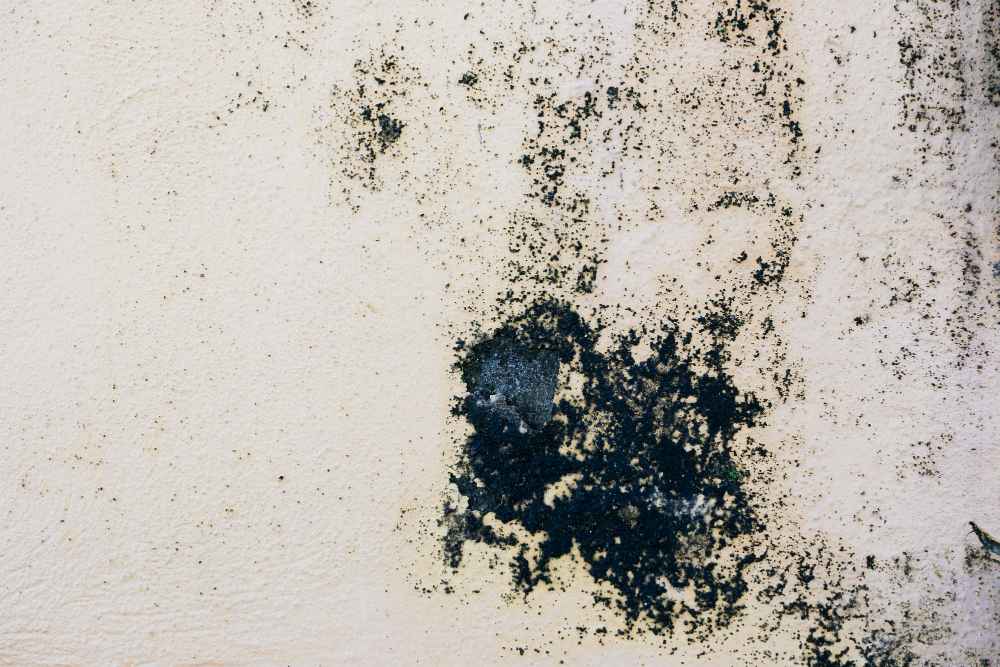
Abbeville’s humid climate creates the perfect breeding ground for mold. Between heavy rainfall, high humidity, and older homes with less-than-ideal ventilation, many homeowners find themselves staring at dark patches on their walls and wondering what to do next. Grabbing a bottle of bleach seems like the obvious first step. Unfortunately, it rarely solves the problem.
If you’re searching for real answers about black mold removal Abbeville homeowners can rely on, you need to understand why bleach fails on drywall in the first place. Once you know the science behind it, the right solution becomes much clearer.
Why Bleach Seems Like a Good Idea
Bleach kills mold on contact. That much is true. When you spray it on a moldy surface, the visible discoloration often fades within minutes. For many people, this looks like success. However, appearances can be deceiving. Bleach only works on non-porous, hard surfaces like tile, glass, or countertops. Drywall is a completely different story. It’s soft, absorbent, and full of tiny air pockets that mold loves to colonize.
The Science of Mold Spores and Porous Materials
Mold spreads through microscopic spores. These spores are so small that thousands can fit on the head of a pin. When mold grows on drywall, it doesn’t just sit on the surface. Instead, it sends thread-like roots, called hyphae, deep into the paper backing and gypsum core.
Bleach is mostly water, roughly 90 percent. When you apply it to drywall, the water content soaks into the material and actually feeds the mold’s root structure. Meanwhile, the chlorine in bleach evaporates quickly and never penetrates deep enough to kill the roots.
In addition, drywall’s porous nature means moisture gets trapped inside. This creates an even more favorable environment for regrowth. Within days or weeks, the mold often returns, sometimes worse than before.
Why Bleaching Drywall Fails in Abbeville Homes
Abbeville’s climate makes this problem worse than in drier regions. The combination of humidity and older housing stock means moisture has more opportunities to seep into walls, ceilings, and attics.
For example, a homeowner might bleach a visible mold patch in a bathroom, only to have it reappear a month later. This happens because the underlying moisture source was never addressed, and the bleach never reached the mold’s root system in the first place.
Simply put, bleaching drywall treats the symptom, not the cause. It’s a temporary fix that can actually make the problem harder to solve later, since bleach can also damage the drywall’s structural integrity over time.
Signs You Might Need Mold Remediation
Not all mold is easy to spot. Some of it hides behind walls, under flooring, or above ceilings. Here are common warning signs that indicate a bigger issue:
- A musty, earthy odor that won’t go away
- Dark spots or discoloration on walls, ceilings, or baseboards
- Peeling paint or bubbling wallpaper
- Increased allergy symptoms or respiratory irritation indoors
- Visible water stains from past leaks or flooding
If you notice any of these signs, it’s worth having a professional take a closer look before the problem spreads further.
Attic Mold Removal: A Hidden Abbeville Problem
Attics are one of the most overlooked spaces when it comes to mold growth. Poor ventilation, roof leaks, and temperature swings create ideal conditions for spores to thrive undetected for months.
Attic mold removal is especially important because attics connect directly to the rest of your home’s air circulation system. If mold grows in your attic, spores can travel through vents and ductwork, spreading contamination to living spaces below.
Many homeowners don’t realize there’s a problem until they notice a musty smell or see stains on the ceiling. By that point, the mold has often spread across insulation, wood framing, and roof decking, areas that bleach simply cannot reach or treat effectively.
What Actual Mold Remediation Looks Like
Professional mold remediation is a completely different process from surface cleaning. It focuses on removing the source of moisture, physically removing contaminated materials, and preventing future growth.
Step 1: Inspection and Moisture Testing
A thorough remediation process starts with identifying the moisture source. This could be a roof leak, plumbing issue, poor ventilation, or high indoor humidity. Without fixing this root cause, any remediation effort is temporary at best.
Step 2: Containment
Technicians seal off the affected area to prevent spores from spreading to unaffected parts of the home during removal. This step is critical, since disturbing mold without containment can actually make air quality worse.
Step 3: Removal of Contaminated Materials
Unlike bleaching, proper remediation involves physically removing porous materials that have been colonized by mold. This often means cutting out sections of drywall, insulation, or flooring rather than trying to clean them.
Step 4: Cleaning and Treatment
Non-porous surfaces are cleaned with antimicrobial solutions designed specifically for mold. These products are formulated to penetrate deeper than household bleach and leave behind a protective barrier against future growth.
Step 5: Drying and Prevention
Finally, the area is thoroughly dried using industrial dehumidifiers and air movers. Addressing ventilation or moisture issues at this stage helps prevent the problem from coming back.
Finding Mold Remediation Near You
When searching for mold remediation near you, it’s important to choose a team with local experience. Abbeville’s specific climate and housing styles mean that a contractor familiar with the area will know exactly where to look for hidden moisture problems and how to address them properly.
Look for a company that offers a full inspection before quoting any work. This shows they’re focused on solving the actual problem instead of just applying a quick surface treatment. Ask about their process for testing air quality after remediation is complete, since this confirms the job was done thoroughly.
Why Professional Abbeville Mold Remediation Matters
Attempting a DIY fix might feel like it saves money upfront. In reality, it often costs more in the long run. Recurring mold problems can damage building materials, lower indoor air quality, and even affect your home’s resale value.
Abbeville mold remediation done by trained professionals addresses the problem at its source. Rather than masking discoloration, the goal is to remove contaminated materials, correct moisture issues, and restore a safe indoor environment for your family.
Aivast Construction understands the unique challenges Abbeville homeowners face when dealing with humidity and older building materials. Their approach focuses on identifying the root cause of mold growth rather than offering a temporary cosmetic fix.
Protecting Your Home for the Long Term
Once remediation is complete, a few simple habits can help prevent mold from returning:
- Run exhaust fans in bathrooms and kitchens during and after use
- Fix leaks quickly, even small ones
- Keep indoor humidity below 50 percent with a dehumidifier if needed
- Inspect attics and crawl spaces at least twice a year
- Ensure gutters and downspouts direct water away from the foundation
These small steps go a long way toward keeping your home mold-free between professional inspections.
Final Thoughts
Bleach might seem like a quick and easy solution, but it simply isn’t built to handle porous materials like drywall. The mold’s root structure survives beneath the surface, waiting for the right conditions to return.
If you’re dealing with visible mold, musty odors, or past water damage, it’s worth having a professional assess the situation. A proper remediation plan addresses the underlying moisture problem, removes contaminated materials safely, and helps protect your home’s air quality for years to come.
Don’t let another humid Abbeville season give mold the chance to spread further into your walls, attic, or ceilings. A thorough, science-backed approach will always outperform a bottle of bleach.
If bleach hasn’t solved your mold problem, it’s time for an approach that actually works. Aivast Construction offers thorough inspections and proven remediation methods built for Abbeville’s humidity and older homes. Contact Aivast Construction today for a free consultation, and let a local team get to the root of your mold problem before it spreads any further.
Frequently Asked Questions
1. Can I remove black mold myself with bleach?
Bleach can kill surface mold on hard, non-porous materials, but it won’t remove mold growing inside drywall, wood, or insulation. The roots stay embedded in the material, so the mold typically returns within weeks.
2. How do I know if I have mold in my attic?
Common signs include a musty smell, dark staining on the roof decking or insulation, and higher humidity in the attic space. Since attics aren’t checked often, it’s a good idea to inspect yours at least twice a year.
3. How much does professional mold remediation cost in Abbeville?
Costs vary depending on the size of the affected area, the type of material involved, and whether the moisture source needs repair. A licensed contractor can give you an accurate estimate after an inspection.
4. Is black mold dangerous to my health?
Mold exposure can trigger allergy symptoms, respiratory irritation, and other health issues, especially for people with asthma or weakened immune systems. If you notice mold growth, it’s best to address it promptly rather than wait.
5. How long does mold remediation take?
Most residential remediation projects take anywhere from one to five days, depending on the extent of the damage and how much drying and material removal is needed.