
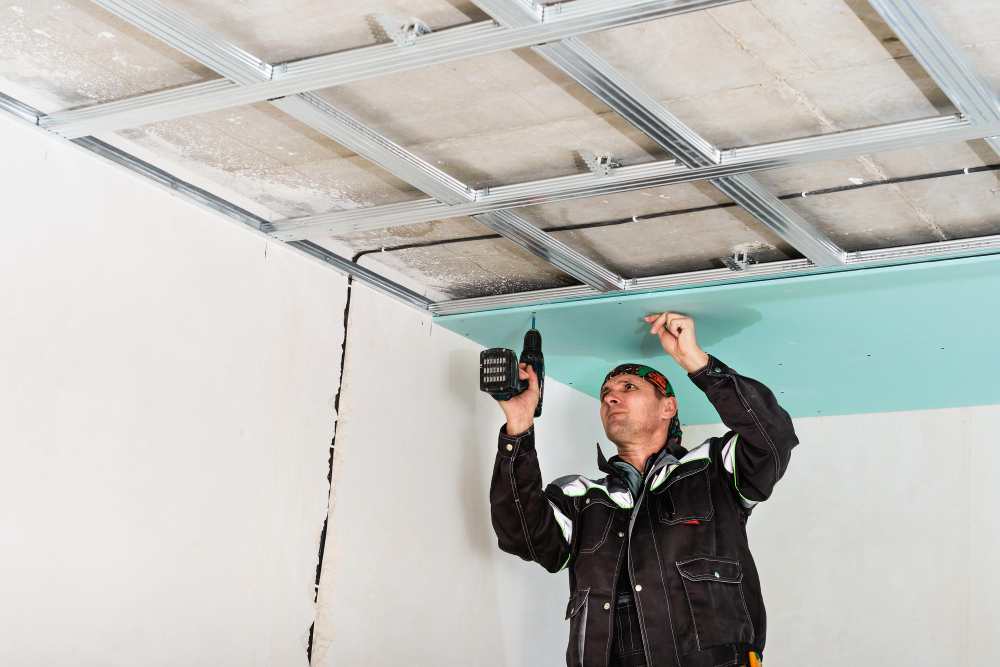
Water damage does not always mean you need to remove entire walls. In many commercial and residential properties, water can become trapped inside wall cavities after a pipe leak, storm, flood, or plumbing failure. The visible drywall may look swollen or stained, but the deeper problem can be hidden behind the surface.
Modern drying technology can often remove this trapped moisture without extensive demolition. Positive-pressure drying systems can direct warm, dry air into wall cavities. This helps move moisture out of insulation, framing, and drywall while reducing the need for costly tear-outs.
For property owners looking for 24/7 water extraction services Acadiana, understanding how wall cavity drying works can help you make faster decisions after water damage.
Why Water Gets Trapped Inside Wall Cavities
When water enters a building, it does not always remain on the floor. It can travel through drywall seams, electrical openings, baseboards, insulation, and wall penetrations. A small plumbing leak may send water into a wall cavity for hours before anyone notices. Storm water can also enter through damaged roofs, windows, doors, or exterior walls.
Once inside the cavity, water may become trapped between layers of building materials. Standard air movers placed in the room may not reach this hidden moisture effectively.
This creates several risks:
- Damp insulation may stay wet for an extended period.
- Wood framing can absorb moisture.
- Drywall may lose strength or develop swelling.
- Hidden moisture can contribute to microbial growth.
- Commercial spaces may face longer downtime.
- Repairs can become more expensive if drying is delayed.
That is why professional water restoration focuses on finding moisture, not just removing visible water.
When Drywall Can Be Saved
Not every water-damaged wall needs to be demolished. The decision depends on the type of water, the extent of damage, the materials involved, and how quickly drying begins. Clean water from a broken supply line may create different restoration options than contaminated floodwater. Severely saturated drywall may also require removal if it has lost structural integrity.
However, when the drywall remains stable and the contamination level is appropriate, targeted drying can sometimes preserve the wall. Moisture meters and other inspection tools help technicians determine how much water remains inside the wall. Readings can be taken at different locations to identify wet areas that may not be visible. This allows the drying plan to focus on the actual moisture problem.
How Positive-Pressure Wall Drying Works
Positive-pressure drying is designed to push dry air into an enclosed wall cavity.
Technicians may remove or loosen a small section of baseboard or create a carefully positioned access point. A hose or drying attachment can then introduce dry air behind the wall surface.
As the air enters the cavity, it contacts wet building materials. The moving air helps increase evaporation. Moist air is then directed toward controlled exit points or removed through appropriate ventilation and extraction equipment.
The basic process can include:
- Inspecting the affected area
- Locating hidden moisture
- Determining whether the drywall can be preserved
- Creating limited access points
- Connecting specialized drying equipment
- Circulating dry air through the cavity
- Monitoring moisture levels
- Continuing drying until target conditions are reached
The goal is controlled drying rather than unnecessary destruction.
The Role of Injectidry Wall Cavity Drying
Specialized systems such as injectidry wall cavity drying equipment are designed for targeted drying applications. Instead of relying only on room-level air movement, these systems can deliver airflow into spaces where conventional equipment cannot reach.
Injectidry wall cavity drying can be particularly useful when moisture is trapped behind drywall, insulation, or other enclosed building materials.
The equipment can be configured for different drying situations. Technicians may use small access points around baseboards, wall openings, or other suitable locations.
This approach can reduce the amount of drywall that needs to be removed. It may also help preserve finished surfaces, paint, trim, and other components when conditions allow.
For commercial properties, this can be especially important. Avoiding unnecessary demolition may reduce disruption to offices, retail spaces, rental properties, and other occupied buildings.
Wall Water Damage Drying in Crowley
Commercial properties in Crowley can experience water damage from plumbing failures, roof leaks, appliance problems, storms, and other sources. Once water reaches a wall cavity, visible cleanup alone may not be enough. Professional Wall water damage drying Crowley services focus on identifying hidden moisture and developing a controlled drying strategy.
For example, a wall may appear nearly dry on the surface while moisture remains around the bottom edge or inside insulation. Removing visible water from floors does not automatically dry the wall cavity.
A professional assessment can identify these hidden wet areas. Technicians can also track drying progress over time. This is important because the surface may feel dry before the deeper materials have reached acceptable moisture levels.
Why Moisture Monitoring Matters
Drying equipment should not simply be turned on and left running without monitoring. Professional structural drying involves measuring moisture before, during, and after the drying process. Technicians compare readings from affected areas with unaffected materials when appropriate.
Monitoring can help answer important questions:
- Is moisture decreasing?
- Which parts of the wall remain wet?
- Is the drying equipment positioned correctly?
- Does the cavity need additional airflow?
- Has the affected material reached an appropriate drying condition?
This data-driven approach helps prevent premature completion of the restoration process.
Structural Drying Goes Beyond Drywall
Wall cavities are only one part of a building’s structure. Water can also affect subfloors, framing, ceilings, insulation, cabinets, and other materials. That is why structural drying is an important part of professional water restoration.
The drying plan should consider how water traveled through the property. Moisture can move horizontally and vertically through building materials. It can also migrate into areas that were not directly exposed to standing water. A complete drying strategy therefore considers the entire affected area rather than focusing only on visible stains.
Benefits of Avoiding Unnecessary Tear-Outs
When wall materials can safely be dried in place, property owners may benefit from reduced demolition.
Potential advantages include:
- Less drywall replacement
- Lower material costs
- Reduced labor for reconstruction
- Less disruption to occupants
- Faster return to normal operations
- Preservation of existing finishes
- Fewer reconstruction stages
However, avoiding demolition should never come at the expense of proper restoration. If materials are heavily damaged, contaminated, or unable to dry effectively, removal may still be necessary. The objective is not to avoid demolition at all costs. It is to remove only what needs to be removed.
How Do Professionals Dry Out Water Inside Drywall Cavities?
So, how do professionals dry out water inside drywall cavities? They first identify where moisture is located using inspection and moisture measurement equipment. If the wall is suitable for in-place drying, technicians create controlled access points and introduce dry air into the cavity.
Specialized equipment can move air behind the drywall. This increases evaporation and helps draw moisture from wet insulation and framing. Technicians then monitor moisture levels throughout the process. Drying continues until the affected materials reach appropriate moisture conditions. This targeted process is different from simply placing an air mover in front of a wall. The objective is to move air where the moisture is trapped.
Why Fast Response Is Important
The longer moisture remains inside a wall, the greater the opportunity for materials to deteriorate. Quick water extraction can remove standing water before it travels deeper into the building. Early inspection can also identify wall cavities that need specialized drying.
Fast response is especially important for commercial properties. A prolonged restoration project can affect employees, customers, inventory, equipment, and normal business operations. Prompt professional action can help limit the scope of damage and establish a clear restoration plan.
Choosing Professional Water Restoration for Crowley Properties
Wall cavity drying requires more than powerful equipment. Technicians need to understand moisture movement, building materials, airflow, and drying conditions. A professional restoration team can determine whether a wall should be dried in place or opened for removal. The right choice depends on the source of the water, the affected materials, the amount of moisture, and the condition of the wall.
Aivast Construction provides water damage restoration solutions designed to help property owners address water damage and begin the drying process quickly.
Conclusion
Water trapped behind drywall can create a serious restoration challenge, but complete wall demolition is not always necessary. Modern positive-pressure drying systems can deliver dry air directly into wall cavities, helping remove hidden moisture from drywall, insulation, and framing.
For property owners dealing with water damage, early inspection and proper moisture monitoring are essential. Targeted drying can help preserve materials, reduce unnecessary tear-outs, and limit disruption when the affected wall is suitable for restoration.
If your Crowley property has hidden wall moisture after a leak, storm, or plumbing emergency, contact Aivast Construction today for professional water damage assessment and 24/7 water extraction services Acadiana. Fast action can help protect your property and get the drying process underway.
Frequently Asked Questions
1. Can wet drywall be dried without removing it?
In some situations, yes. If the drywall remains structurally sound and the water source and contamination level are suitable, specialized cavity drying equipment may allow it to be dried in place.
2. How long does wall cavity drying take?
The drying time varies based on the amount of water, wall construction, insulation, temperature, humidity, and airflow. Professionals monitor moisture levels rather than relying only on a fixed number of hours.
3. What is positive-pressure drying?
Positive-pressure drying pushes dry air into an enclosed space, such as a wall cavity. The airflow helps increase evaporation and move moisture out of hidden areas.
4. Is wall cavity drying suitable after a flood?
It depends on the type of floodwater and the materials affected. Contaminated water may require removal of porous materials rather than in-place drying. A professional inspection can determine the appropriate approach.
5. Why should hidden wall moisture be professionally inspected?
Visible surfaces can appear dry while moisture remains inside the wall. Professional moisture inspection helps identify hidden wet areas and determine whether specialized structural drying is needed.