

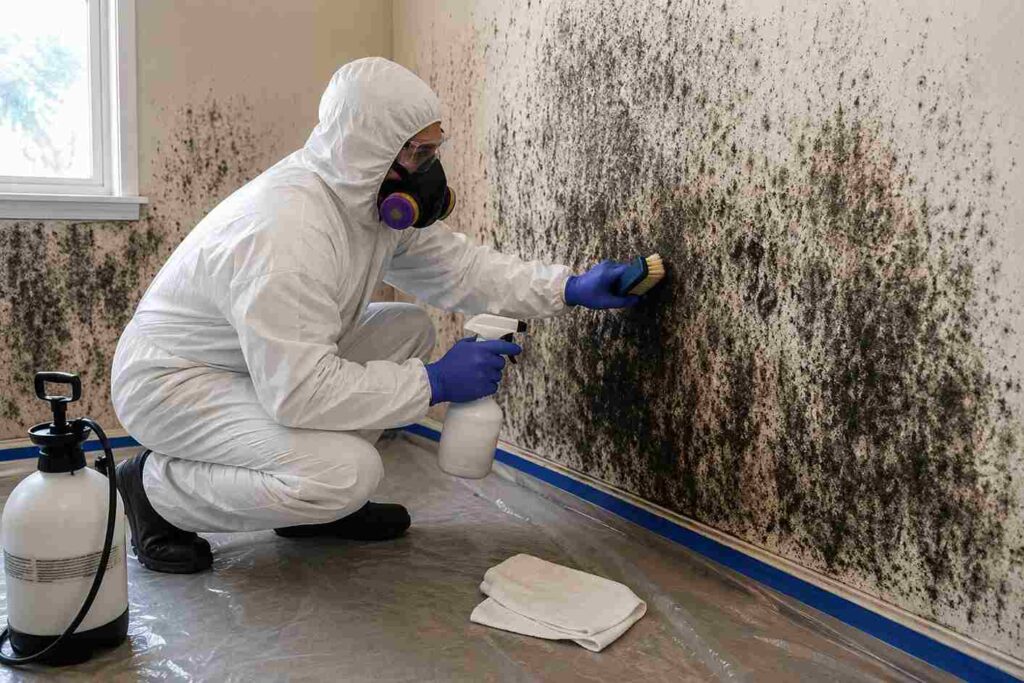
Historic homes are part of what makes New Iberia unique. Many of these properties feature traditional pier and beam foundations that have stood strong for decades. However, these homes also face a hidden challenge: crawl space moisture. Over time, damp conditions beneath the home can encourage mold growth, leading homeowners to seek black mold removal New Iberia services before the damage spreads.
A crawl space is often out of sight, making it easy to overlook problems until they become serious. Moisture, poor ventilation, plumbing leaks, and Louisiana’s humid climate create the perfect environment for mold to thrive. If left untreated, mold can damage wooden beams, affect indoor air quality, and weaken structural components.
In this guide, you’ll learn why crawl space mold develops, how it impacts historic pier and beam homes, and what steps homeowners can take to protect their investment.
Why Historic Pier & Beam Homes Are More Vulnerable to Mold
Pier and beam foundations elevate a home above the ground instead of resting on a concrete slab. While this design offers several benefits, including easier access to plumbing and electrical systems, it also creates a crawl space where moisture can collect.
Louisiana’s climate naturally contributes to higher humidity levels throughout the year. Rainwater, groundwater, and limited airflow beneath older homes often increase moisture levels inside crawl spaces.
Several factors make historic homes especially vulnerable:
- Aging wood absorbs moisture more easily.
- Older ventilation systems may not provide proper airflow.
- Settling foundations can allow water intrusion.
- Insulation may trap moisture instead of releasing it.
- Plumbing systems in older homes are more likely to develop leaks.
Because these issues often develop slowly, mold may spread unnoticed for months.
Signs That Mold May Be Growing Beneath Your Home
Many homeowners don’t inspect their crawl space regularly. Fortunately, there are warning signs that may indicate hidden mold growth. One of the first indicators is a persistent musty smell inside the home. Even if you clean frequently, that earthy odor may continue because the source is below the flooring.
Other common warning signs include:
- Floors feeling soft or uneven
- Increased allergy symptoms indoors
- Visible staining on floor joists
- Higher indoor humidity
- Condensation on windows
- Wood beginning to rot
- Peeling paint near floor level
If you notice several of these signs together, scheduling a professional inspection is a smart next step.
How Crawl Space Moisture Leads to Black Mold
Mold spores naturally exist in the air. They only become a problem when moisture allows them to grow on organic materials. Wood framing, insulation, cardboard storage boxes, and even dust provide food sources for mold colonies. The mold growth process usually follows these stages: First, moisture enters the crawl space through leaks, standing water, or humid air. Next, humidity remains trapped due to poor airflow.
Within 24 to 48 hours, mold spores begin attaching to damp surfaces. As moisture continues, colonies expand across beams, subflooring, and insulation. Eventually, mold can spread into wall cavities and affect indoor air quality throughout the home. This is why early black mold removal is always more affordable than waiting until structural damage develops.
Why Black Mold Should Never Be Ignored
Although many types of molds exist, black mold often receives the most attention because of its potential health concerns and ability to spread across damp building materials. Ignoring mold can lead to several problems. Indoor air quality may decline as airborne spores circulate through the home. Wood framing may weaken over time as mold contributes to ongoing moisture damage.
Energy efficiency can decrease when wet insulation loses its effectiveness. Property values may also decline if buyers discover mold during inspections. For families with allergies, asthma, or respiratory conditions, mold exposure may increase irritation and discomfort. Professional remediation removes existing contamination while helping prevent future outbreaks.
The Importance of Professional Black Mold Removal New Iberia
Attempting to clean mold with household cleaners often treats only the visible surface. Unfortunately, mold roots can extend deep into porous materials such as wood and insulation. Professional black mold removal New Iberia services focus on eliminating both the visible mold and the underlying moisture problem.
The process generally includes:
Thorough Inspection
Professionals inspect the entire crawl space to locate visible mold, moisture sources, damaged materials, and ventilation concerns.
Moisture Detection
Specialized equipment identifies hidden damp areas that may not be visible during a basic inspection.
Safe Containment
Containment barriers help prevent mold spores from spreading into other areas of the home during cleanup.
Mold Removal
Damaged materials are removed, when necessary, while affected structural components are professionally cleaned using approved remediation methods.
Drying the Crawl Space
Industrial drying equipment reduces moisture levels before repairs begin.
Preventive Recommendations
Homeowners receive guidance on ventilation improvements, drainage corrections, vapor barriers, or encapsulation if needed. These steps provide a much more complete solution than simply spraying mold with bleach.
Protecting Wooden Beams From Long-Term Damage
The wooden beams supporting historic homes are among the property’s most valuable structural elements.
Constant exposure to moisture can cause:
- Wood decay
- Rot
- Warping
- Insect infestations
- Reduced structural stability
Routine inspections help identify these problems before costly repairs become necessary. Installing proper drainage around the home’s foundation can significantly reduce water intrusion beneath the structure. Likewise, repairing leaking pipes immediately helps prevent moisture from accumulating in confined crawl spaces.
Preventing Future Mold Growth
Removing mold is only part of the solution. Preventing its return requires controlling moisture year-round. Homeowners can reduce future risks by taking several proactive measures. Ensure gutters direct rainwater away from the home’s foundation. Keep landscaping sloped away from the structure so water flows outward rather than underneath the house.
Seal foundation openings where humid outdoor air may enter. Install vapor barriers when appropriate to reduce ground moisture. Maintain proper crawl space ventilation or consider encapsulation if recommended by a professional. Schedule routine inspections, especially after hurricanes, flooding, or heavy rainfall. Small maintenance tasks today can prevent expensive restoration projects later.
Why Local Experience Matters
Every region presents unique environmental challenges, and New Iberia is no exception. High humidity, seasonal storms, and frequent rainfall create moisture conditions that differ from drier climates.
Professionals familiar with local construction methods understand how historic pier and beam homes respond to Louisiana weather. This knowledge allows them to recommend solutions designed specifically for local conditions rather than generic repairs.
Companies like Aivast Construction understand the importance of preserving historic properties while addressing the moisture issues common throughout the Gulf Coast region.
When to Search for Mold Remediation Near You
Many homeowners wait until mold becomes visible before seeking help. Unfortunately, by that point the damage may already be widespread.
Instead, consider searching for mold remediation near you if you notice:
- Persistent musty odors
- Recent flooding
- Plumbing leaks
- Excess humidity indoors
- Soft or sagging flooring
- Visible mold around crawl space access doors
- Allergy symptoms that worsen inside the home
Early inspections often identify moisture issues before large mold colonies develop. Professional evaluations can also determine whether mold is active or simply staining from previous moisture exposure.
Common Mistakes Homeowners Make
Many people unintentionally allow crawl space mold problems to become worse. One common mistake is assuming bleach permanently removes mold. While bleach may lighten surface discoloration, it often fails to eliminate mold growing beneath porous materials. Another mistake is ignoring minor plumbing leaks. Even slow drips can create enough moisture for mold colonies to expand over time.
Some homeowners also close crawl space vents without addressing humidity, trapping moisture instead of reducing it. Delaying repairs after storms is another frequent issue. Floodwater and heavy rainfall can leave moisture beneath the home long after visible puddles disappear. Addressing these issues promptly helps protect both your home’s structure and indoor air quality.
Long-Term Benefits of Professional Mold Removal
Investing in professional remediation offers benefits beyond simply removing visible mold. A properly treated crawl space helps improve indoor comfort, protects structural wood, reduces moisture-related odors, and may improve energy efficiency by keeping insulation dry.
Routine inspections also provide peace of mind, particularly for owners of older homes where hidden moisture problems are more common. Most importantly, addressing mold early can help avoid expensive structural repairs in the future.
Conclusion
Historic pier and beam homes add character and charm to New Iberia, but they require careful maintenance to remain safe and structurally sound. Crawl spaces often hide moisture problems that can eventually lead to mold growth, wood deterioration, and indoor air quality concerns.
Professional black mold removal New Iberia services not only eliminate existing mold but also identify the moisture conditions that allowed it to grow in the first place. Combined with routine inspections, proper drainage, and effective moisture control, homeowners can protect both their investment and their family’s health for years to come.
If you’ve noticed musty odors, increased humidity, or signs of moisture beneath your home, don’t wait for the problem to worsen. Early inspection and remediation can save significant time, money, and stress while preserving the beauty of your historic property.
Frequently Asked Questions
1. How do I know if my crawl space has black mold?
Common signs include musty odors, soft floors, visible discoloration on wood, increased indoor humidity, and worsening allergy symptoms. A professional inspection can confirm whether mold is present.
2. Can I remove black mold myself?
Small surface spots may be cleaned, but widespread crawl space mold should be handled by professionals. Proper containment and moisture correction are essential to prevent mold from returning.
3. Why are pier and beam homes more likely to develop mold?
These homes have open crawl spaces beneath the structure where humidity, poor ventilation, and water intrusion can create ideal conditions for mold growth.
4. When should I look for mold remediation near you?
If you’ve experienced flooding, plumbing leaks, persistent odors, or notice signs of moisture around your home’s foundation, it’s a good time to schedule a professional inspection.
5. How can I prevent mold from coming back after remediation?
Keep the crawl space dry by improving drainage, repairing leaks quickly, installing vapor barriers if recommended, maintaining proper ventilation, and scheduling regular inspections.