

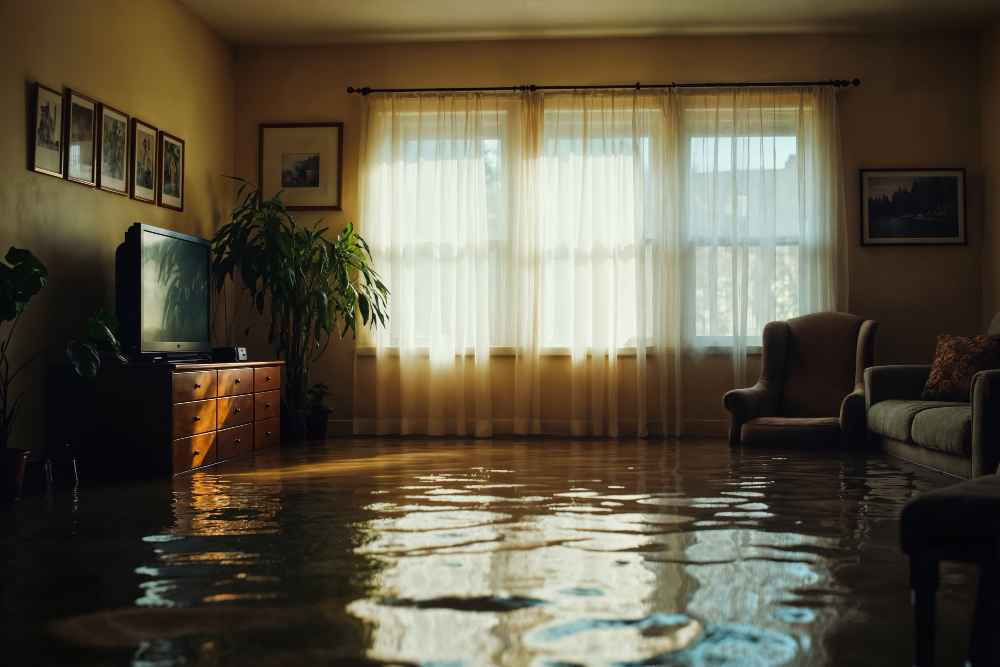
A plumbing leak hidden beneath your home’s concrete foundation can be one of the most frustrating problems a homeowner faces. Unlike a burst pipe inside a wall, an under-slab copper pipe leak often goes unnoticed until you begin seeing signs of water damage inside your home. By the time puddles appear or flooring starts to warp, the leak may have already caused significant structural damage.
If a slab leak isn’t repaired quickly, it can lead to soaked flooring, cracked foundations, mold growth, and expensive restoration work. In many cases, homeowners also require Flooded house cleanup Lafayette services to remove standing water, dry affected areas, and restore damaged materials before further problems develop.
Understanding how slab leaks occur, recognizing the warning signs, and acting quickly can help reduce repair costs while protecting the long-term value of your property. In this guide, we’ll explain how under-slab copper pipe bursts are detected, the repair options available, and what homeowners should expect during the restoration process.
What Is an Under-Slab Copper Pipe Leak?
Many homes in Lafayette have water supply lines installed beneath the concrete foundation. These copper pipes carry clean water throughout the home while remaining protected below the slab. Although copper is known for its durability, it isn’t immune to wear and tear. Over time, corrosion, shifting soil, water chemistry, or high water pressure can weaken the pipes, eventually causing small leaks or sudden bursts beneath the foundation.
Because these plumbing lines are hidden beneath several inches of concrete, homeowners usually cannot see the problem immediately. Instead, water slowly escapes below the slab, saturating the surrounding soil before eventually reaching flooring, walls, or other interior areas. The longer the leak remains undetected, the greater the chance of extensive water damage and structural issues.
Why Under-Slab Copper Pipes Burst
Several factors can contribute to an under-slab plumbing failure. As copper pipes age, they naturally become more vulnerable to corrosion, especially when exposed to minerals found in certain water supplies. Small pinhole leaks may gradually enlarge until the pipe eventually bursts.
Foundation movement is another common cause. Lafayette’s changing soil conditions can place pressure on underground plumbing lines, causing them to bend, crack, or separate at joints. High water pressure also creates additional stress inside the pipes, increasing the risk of failure over time.
In some homes, poor installation practices or construction defects may shorten the lifespan of underground plumbing. Tree roots, shifting ground, and repeated expansion and contraction caused by seasonal temperature changes can also contribute to pipe damage beneath the slab.
Signs You May Have a Slab Leak
One of the biggest challenges with slab leaks is that they often remain hidden until serious damage has already occurred. Fortunately, there are several warning signs homeowners should watch for before the situation becomes worse.
You may notice unexplained increases in your monthly water bill even though your household water usage has not changed. Warm or damp spots appearing on the floor can also indicate a leaking hot water line beneath the slab. Some homeowners hear the sound of running water even when every faucet has been turned off.
Other warning signs include cracked flooring, warped hardwood, loose tiles, musty odors, peeling paint, or water stains appearing near the base of walls. In more difficult situations, standing water may begin collecting inside the home, requiring immediate Flooded house cleanup Lafayette services to prevent additional structural damage.
Why Fast Detection Matters
A small plumbing leak beneath your foundation can waste hundreds of gallons of water before it becomes visible. During that time, moisture continues spreading beneath flooring, soaking insulation, weakening drywall, and affecting nearby structural components.
Extended exposure to water may also create ideal conditions for mold growth, which often begins developing within 24 to 48 hours. What starts as a relatively small plumbing repair can quickly become a major restoration project involving flooring replacement, drywall repairs, mold remediation, and structural repairs. Early detection helps reduce both repair costs and the amount of disruption your family experiences during restoration.
How Professionals Detect Under-Slab Leaks
Finding the exact location of a hidden plumbing leak requires specialized equipment. Rather than breaking apart large sections of concrete, professional plumbers use advanced diagnostic tools to pinpoint the damaged pipe with minimal disruption.
Electronic leak detection equipment listens for the sound of escaping water beneath the slab, while thermal imaging cameras help identify temperature differences caused by leaking hot water lines. Moisture meters are also used to measure water levels inside flooring, drywall, and other building materials to determine how far the damage has spread.
Pressure testing may also be performed to confirm whether the plumbing system is losing water before repairs begin. Using these non-invasive methods allows technicians to accurately locate the problem while avoiding unnecessary demolition.
The Connection Between Slab Leaks and Water Damage
Although the plumbing issue starts beneath the foundation, the damage rarely stays there. Water eventually travels upward through concrete, flooring materials, and wall cavities. Once moisture enters the living space, it begins affecting everything from hardwood floors and carpeting to cabinets, drywall, and furniture.
This is why many homeowners require professional Water damage restoration after repairing the plumbing itself. Simply fixing the broken pipe does not remove the moisture already trapped inside the home’s structure. Proper drying and restoration are essential to prevent long-term issues such as mold, unpleasant odors, and weakened building materials.
What Happens During Water Cleanup?
Once the plumbing leak has been repaired, the restoration process begins. The first priority is removing any standing water using commercial extraction equipment designed for residential flooding. After visible water has been removed, technicians focus on drying every affected area, including spaces hidden behind walls and beneath flooring.
Industrial air movers and dehumidifiers help eliminate trapped moisture while specialized equipment continuously monitors humidity levels throughout the property. Any materials that cannot be fully dried, such as severely damaged drywall or insulation, may need to be removed and replaced to prevent future problems.
Professional drying ensures the home is safe, structurally sound, and ready for repairs rather than allowing hidden moisture to remain trapped inside the building.
Repair Options for Under-Slab Copper Pipe Bursts
Once the damaged pipe has been located, the next step is determining the best repair method. The right solution depends on the pipe’s condition, the location of the leak, and the overall plumbing system.
For isolated leaks, technicians may access the damaged section by carefully opening a small area of the concrete slab. After exposing the pipe, the damaged portion is replaced before the concrete is restored. This option is often effective when the rest of the plumbing system is in good condition.
If multiple leaks are found or the pipes have deteriorated with age, rerouting the plumbing system may be the better long-term solution. Instead of repairing individual sections beneath the slab, new water lines are installed through walls or ceilings, reducing the likelihood of future underground leaks. In some situations, epoxy pipe lining may also be considered, although its suitability depends on the condition of the existing plumbing.
An experienced plumbing professional can evaluate your home’s system and recommend the repair option that provides the greatest long-term value.
Lafayette Water Damage Restoration After a Slab Leak
Repairing the plumbing is only one part of the recovery process. Water that has already spread throughout the home must be addressed immediately to prevent additional structural damage. Professional Lafayette water damage restoration focuses on removing moisture, restoring affected materials, and returning the property to a safe condition.
The restoration process begins with a thorough inspection to identify every area affected by the leak. Standing water is extracted using commercial equipment before industrial air movers and dehumidifiers remove moisture trapped inside floors, walls, and structural components. Moisture levels are carefully monitored throughout the drying process to ensure the property has been completely dried before repairs begin.
Depending on the severity of the damage, restoration may include replacing drywall, insulation, flooring, trim, or cabinetry that cannot be salvaged. Every step is designed to restore both the appearance and structural integrity of the home.
Preventing Mold After a Slab Leak
One of the biggest concerns following water damage is mold growth. Mold spores naturally exist in the environment, but they begin multiplying rapidly when moisture remains inside a building. In many cases, mold can start developing within 24 to 48 hours after a leak occurs.
Proper drying is the most effective way to prevent mold. Every affected surface should be thoroughly dried, cleaned, and inspected for hidden moisture. Areas behind walls, beneath flooring, and inside insulation require special attention because trapped moisture may not be visible from the surface.
Professional restoration teams use advanced moisture detection equipment to verify that the entire structure has dried properly before reconstruction begins. This extra step helps prevent recurring moisture problems and protects indoor air quality.
Working With Your Insurance Company
If your homeowner’s insurance policy covers sudden plumbing failures, documenting the damage carefully can make the claims process much smoother. Before cleanup begins, take photographs and videos of every affected area, including damaged flooring, walls, furniture, and personal belongings.
Keep records of emergency repairs, restoration work, and receipts for any temporary expenses related to the damage. Your restoration contractor may also provide moisture reports and photographs that support your insurance claim. Maintaining accurate documentation helps ensure the adjuster has a complete understanding of the damage caused by the slab leak.
Choosing Water Restoration Near You
Finding reliable water restoration near you is one of the most important decisions you’ll make after discovering a slab leak. Fast response times help reduce additional damage, but experience and equipment are equally important.
Look for a restoration company that uses professional-grade extraction equipment, industrial drying systems, moisture detection technology, and proven restoration methods. Clear communication, transparent estimates, and experience handling residential water damage can also make the restoration process much less stressful.
Working with qualified professionals gives homeowners confidence that hidden moisture has been properly addressed and that repairs are completed according to industry standards.
How to Reduce the Risk of Future Slab Leaks
Although no plumbing system lasts forever, routine maintenance can reduce the likelihood of future under-slab leaks. Scheduling regular plumbing inspections allows professionals to identify early signs of corrosion or wear before major failures occur. Monitoring water pressure is also important because excessive pressure places additional stress on underground pipes.
Homeowners should pay attention to sudden increases in water bills, warm spots on flooring, or the sound of running water when fixtures are turned off. Addressing these warning signs early often prevents more extensive damage later. Replacing aging plumbing systems before repeated leaks develop may also provide long-term savings by avoiding emergency repairs and restoration costs.
Restoring Your Home With Confidence
An under-slab copper pipe burst can quickly become one of the most expensive plumbing problems a homeowner faces, but acting quickly makes a significant difference. Early leak detection, prompt plumbing repairs, and professional restoration all work together to minimize damage and protect your home’s structure.
If you notice signs of a slab leak or unexpected indoor flooding, don’t delay. Quick action can prevent small plumbing issues from becoming major restoration projects. Whether you need leak detection, structural repairs, or flooded house cleanup in Lafayette, working with experienced professionals helps ensure your home is restored safely and efficiently. Aivast Construction understands the challenges water damage can create and is committed to helping homeowners restore their properties with quality workmanship and dependable service.
Conclusion
Under-slab copper pipe bursts are often hidden until noticeable damage appears inside the home. By recognizing the warning signs early and responding quickly, homeowners can reduce repair costs and avoid more serious structural problems. Professional leak detection, proper drying, and complete restoration are essential steps in protecting your investment and returning your home to a safe, comfortable condition. With the right team and a timely response, even significant water damage can be successfully restored.
Frequently Asked Questions
1. What causes under-slab copper pipes to burst?
Common causes include pipe corrosion, shifting soil, high water pressure, aging plumbing systems, and poor installation. Over time, these factors can weaken copper pipes and lead to leaks beneath the foundation.
2. How can I tell if I have a slab leak?
Signs include unusually high water bills, damp or warm spots on floors, musty odors, cracked flooring, water stains, or the sound of running water when no fixtures are in use.
3. Is repairing the pipe enough after a slab leak?
No. Even after the plumbing has been repaired, any moisture trapped inside walls, flooring, or structural materials should be professionally dried to prevent mold growth and additional damage.
4. How long does water damage restoration usually take?
The drying process generally takes several days, depending on the extent of the damage. Larger restoration projects that require rebuilding may take longer.
5. Can slab leaks be prevented?
While not every leak can be avoided, regular plumbing inspections, maintaining proper water pressure, and addressing early warning signs can significantly reduce the risk of major under-slab plumbing failures.